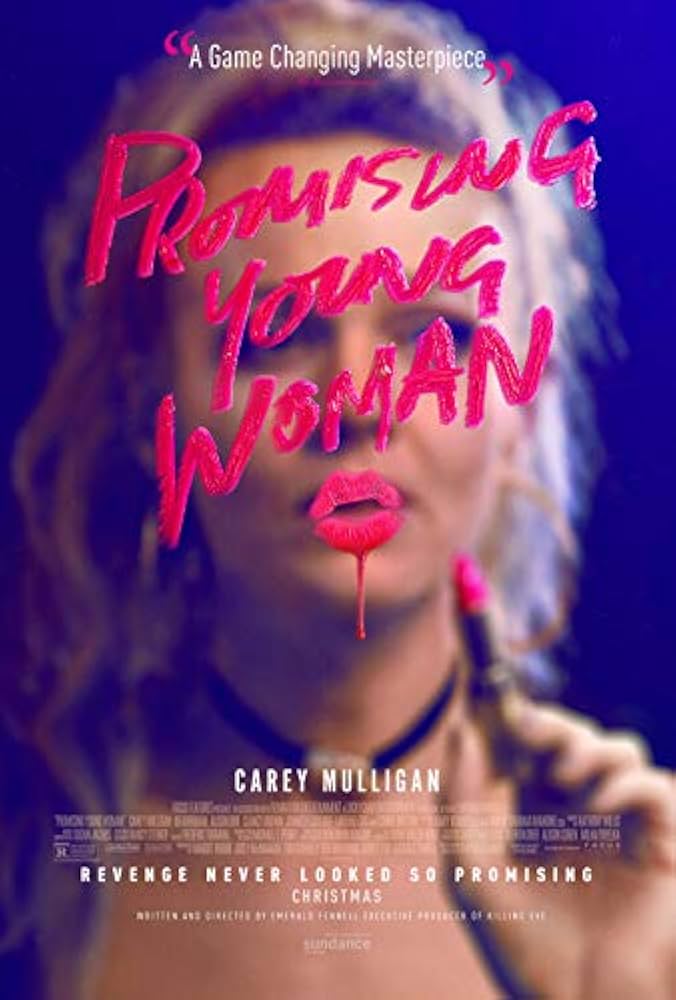
Horror films have long functioned as political media—reactionary pieces that at once exploit and expose public anxieties and social phenomena.“Rape-revenge” films surfaced as a distinct horror subgenre in the early 1970s, beginning with depictions of familial vigilante justice before shifting to more victim-centered narratives. Rape-revenge media sits at a unique crossroads, particularly in feminist discourse. While the films frequently depict a willful woman taking justice into her own hands when systems fail to provide support, they also risk exploiting their subject, lingering on violent scenes that portray sexual assault as an erotic spectacle and obscuring the trauma associated with survivorship behind the guise of “entertainment.”
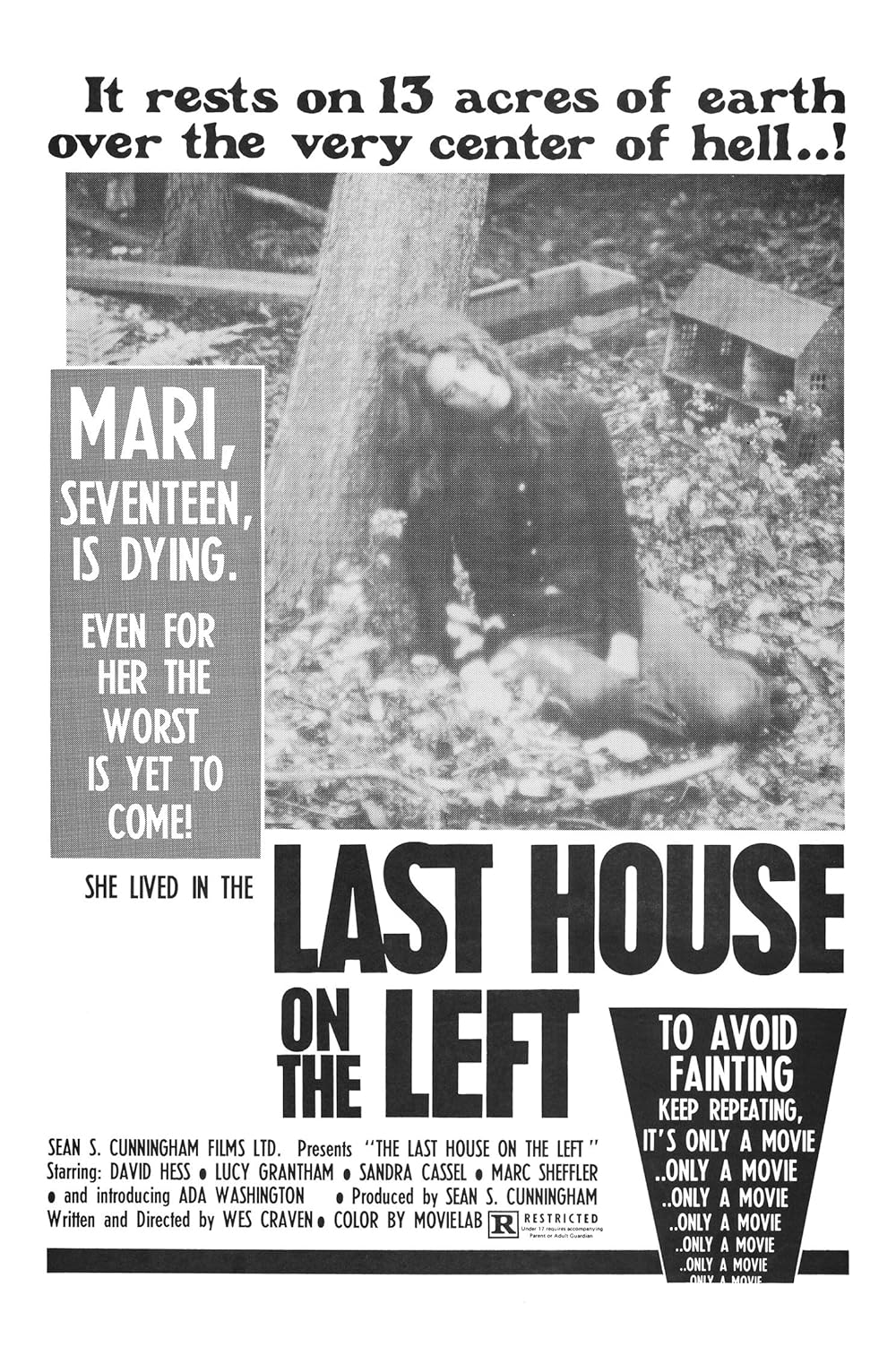
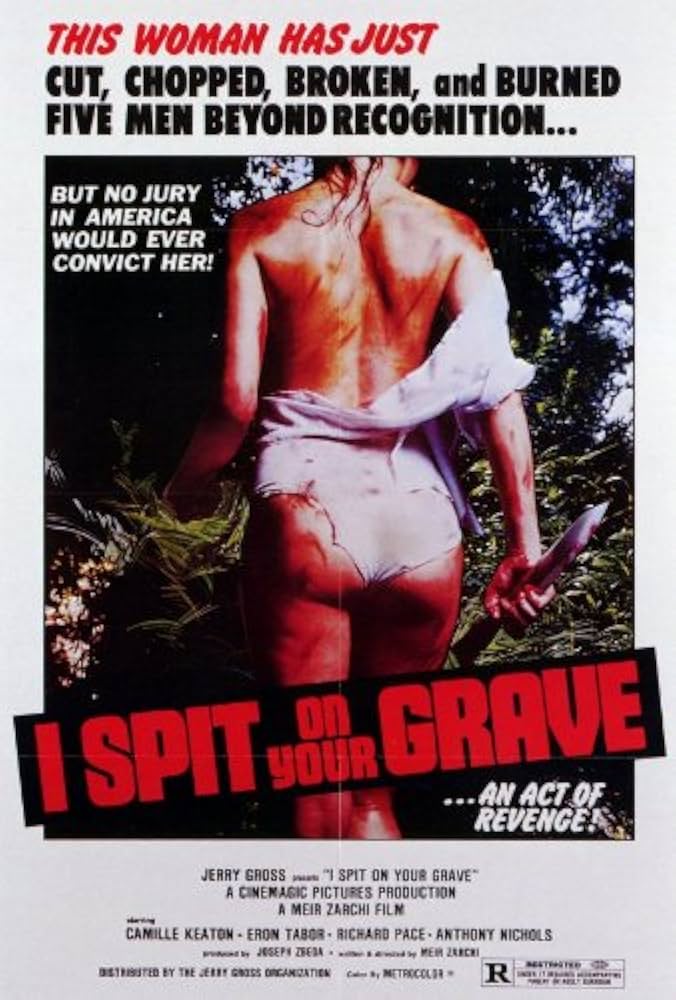
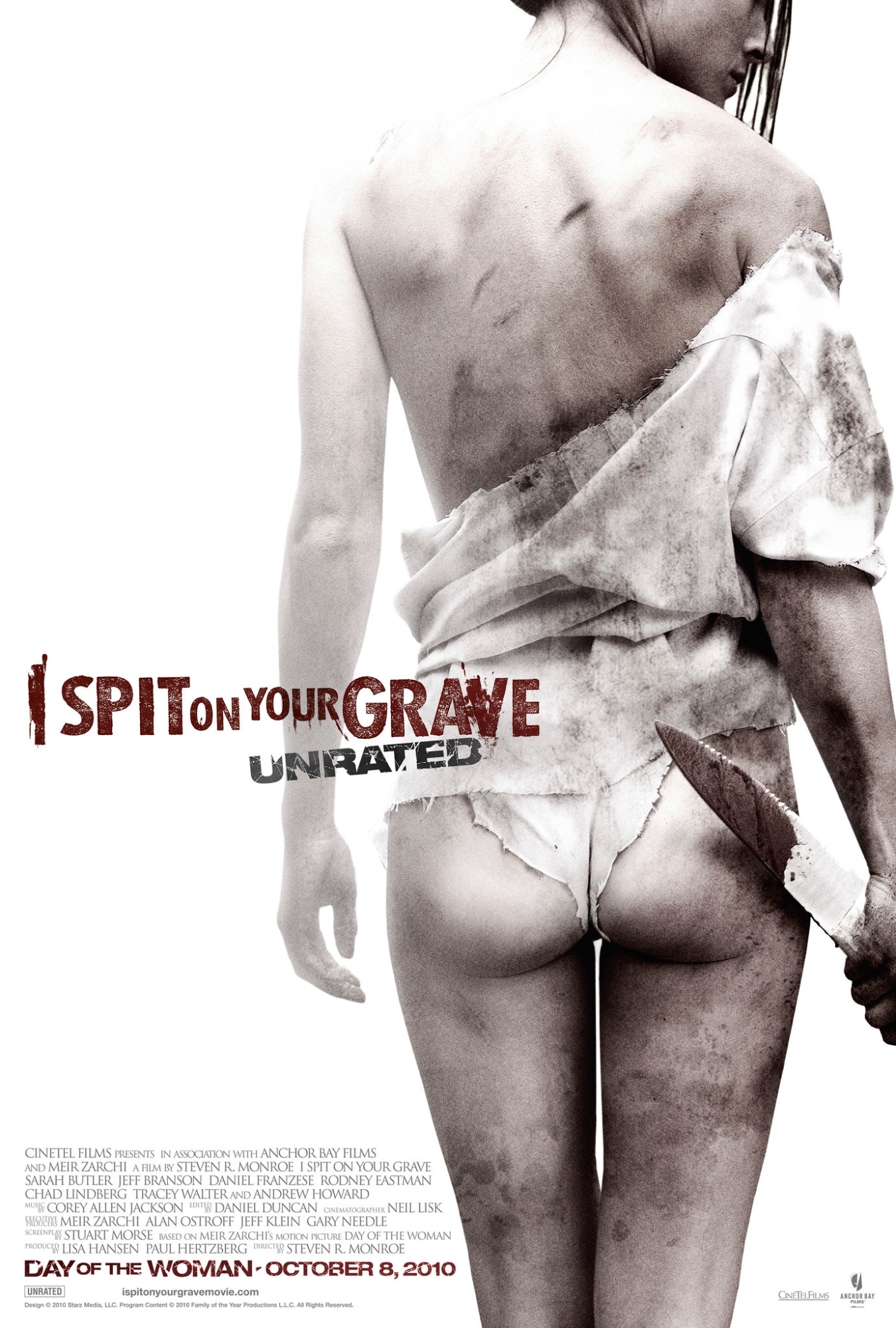
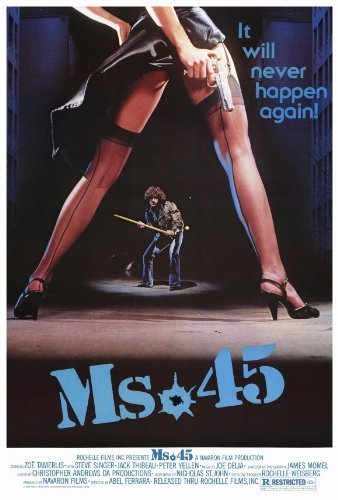
This project was crafted out of an interest in cinema and a desire to situate the films within contemporary feminist discourse. This website explores how fictionalized portrayals of sexual assault and survivorship are represented on screen in an accessible manner. Without diving into film theory, I will briefly examine six rape-revenge films with female-identifying protagonists, including The Last House on the Left (1972), I Spit on Your Grave (1978) and I Spit on Your Grave (2010), Ms .45 (1981), The Nightingale (2018), and Promising Young Woman (2020), which I will then analyze through a feminist, trauma-informed lens in connection with their contemporary relevance. While they present their protagonists’ response to rape in disparate ways, these films speak to their precise political moments with depictions of rage, trauma, and revenge that echo into the twenty-first century and land, in some way, resonate with audiences today.
Content Warning: This website contains descriptions of a sensitive nature, including discussion of sexual assault and murder. Only engage with this material if you feel comfortable doing so. Office for Survivor Support and Intimacy Education resources can be found here.